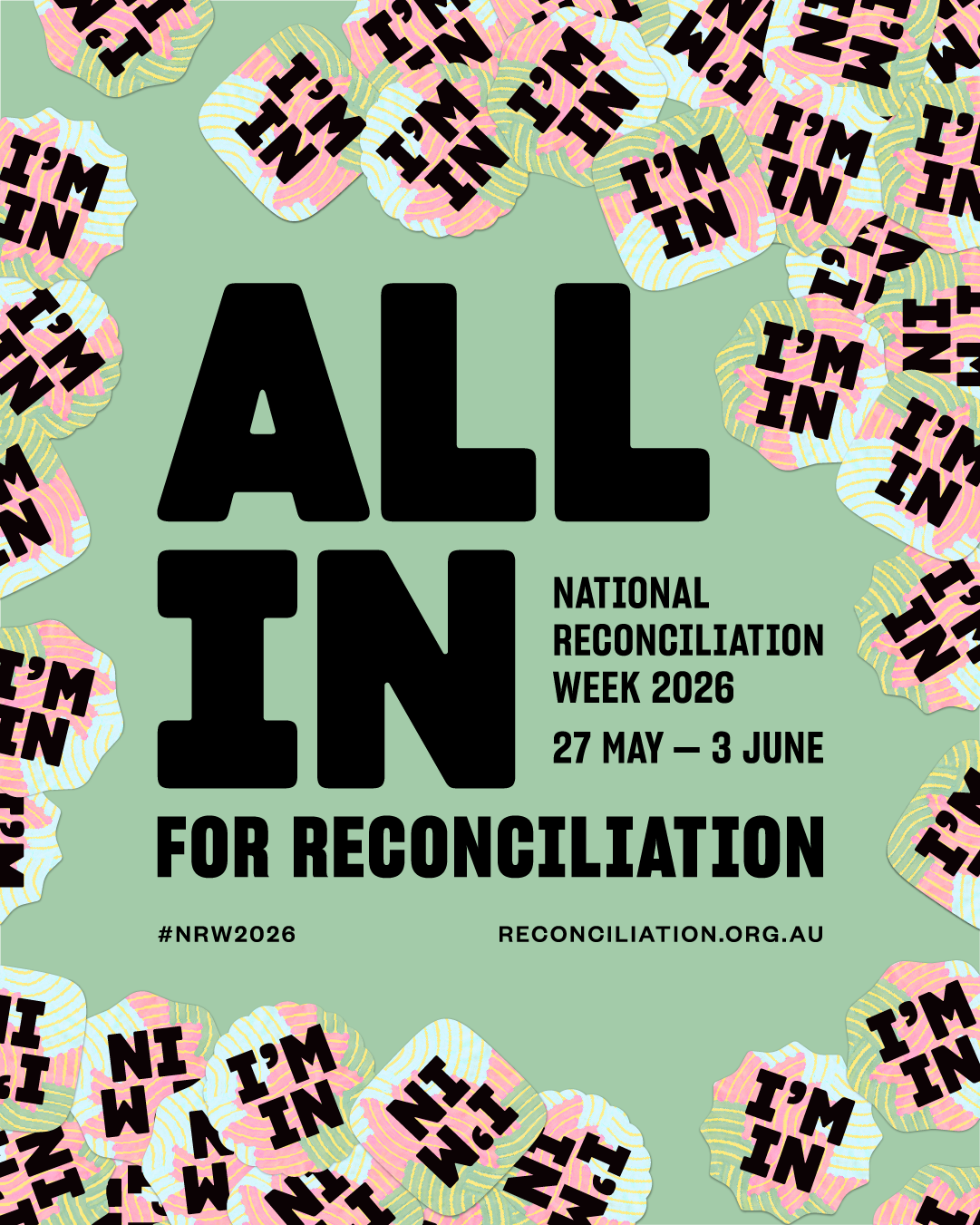
This week is National Reconciliation Week and the theme “All In”, calls for all Australians to commit wholeheartedly to reconciliation every day and not just during one week of the year. The theme reminds us that reconciliation is not the responsibility of First Nations peoples, but requires all of us to engage, learn, build relationships and contribute to meaningful change.
The week marks two significant milestones in Australia's history: the successful 1967 Referendum and the High Court's 1992 Mabo decision. It is a time to learn, listen, reflect and take meaningful action towards a more equitable and inclusive future.
At Leadership Great South Coast, reconciliation is closely connected to our purpose of fostering regional leadership for community impact. We believe that strong leadership begins with listening, understanding diverse perspectives and developing a deeper connection to the communities and places we call home. Through this lens, opportunities to learn from and alongside First Nations communities have become an important part of our leadership programs. As an organisation, we recognise that reconciliation is an ongoing journey rather than a destination. It requires commitment, humility, curiosity and a willingness to listen. It asks us to move beyond symbolic gestures and towards meaningful relationships and action.
Leadership is about more than a title and skills. It is about understanding context, being open to unlearning and creating space at the table. For leaders in the Great South Coast, that means recognising the deep and continuing connection that First Nations peoples have to Country and acknowledging the knowledge, wisdom and leadership that has existed here for tens of thousands of years. It also means acknowledging the ongoing impacts of colonialisation on First Nations communities and the inequalities these have caused.
Over the years, our participants have engaged in a range of experiences designed to deepen their understanding of Country, culture, history and contemporary First Nations perspectives. Our On Country days have provided opportunities to learn directly from Traditional Owners, community leaders and cultural knowledge holders, gaining insights and understanding that cannot be found in a textbook or classroom.
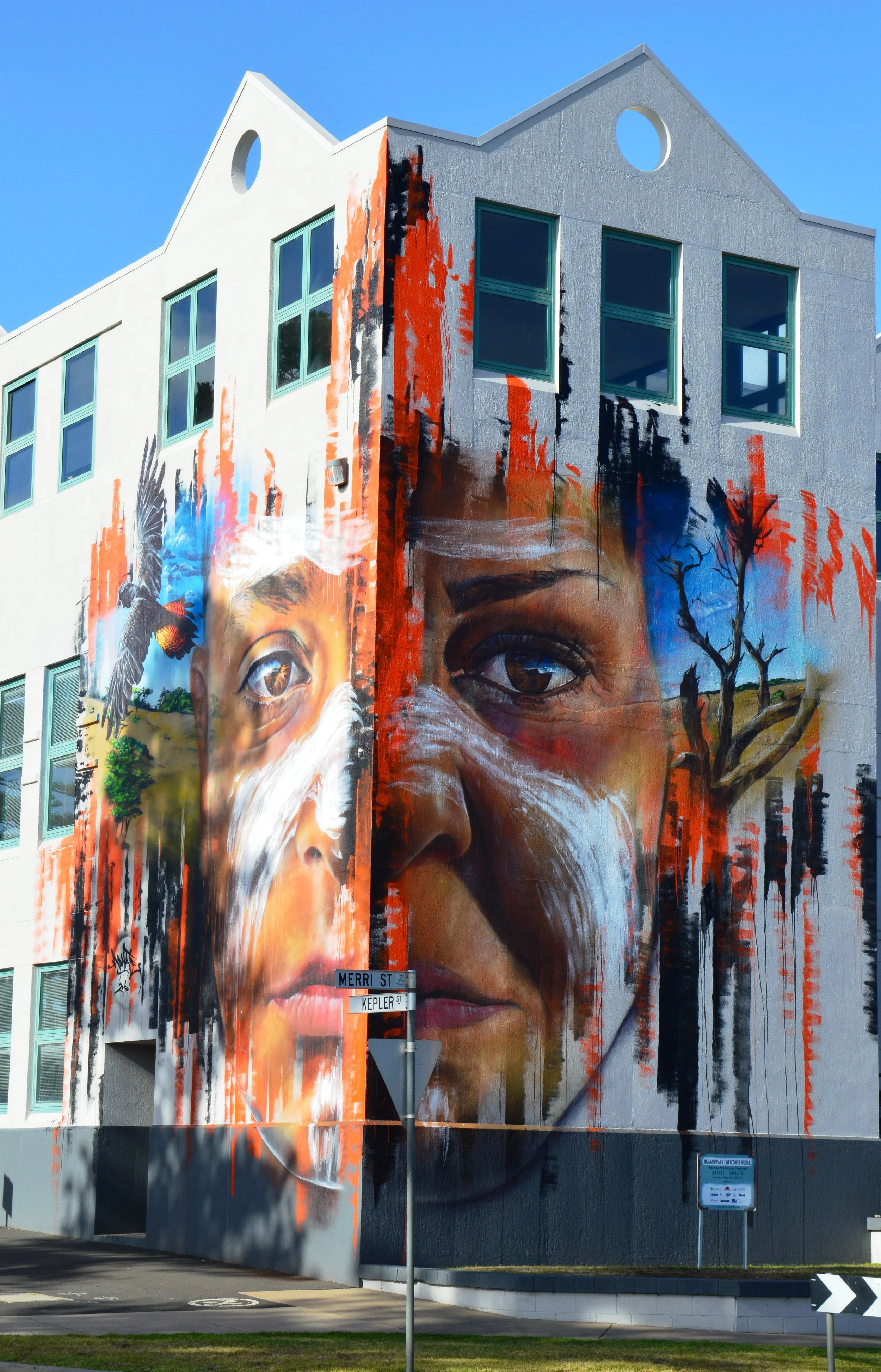
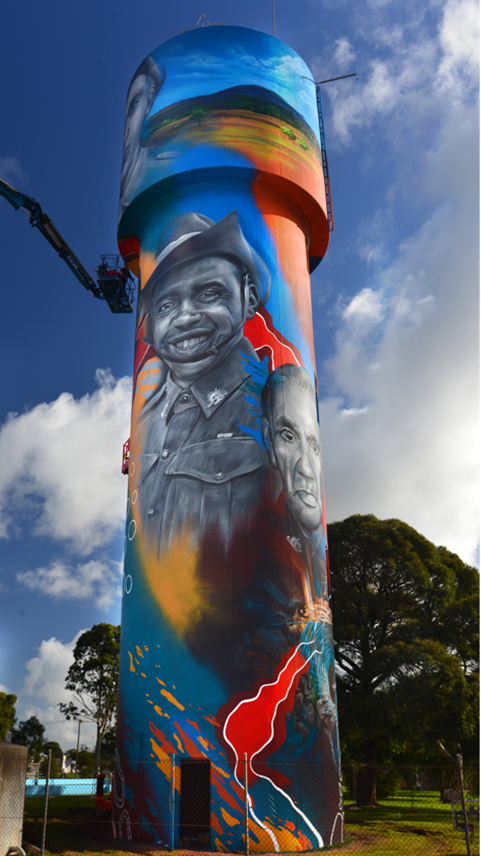
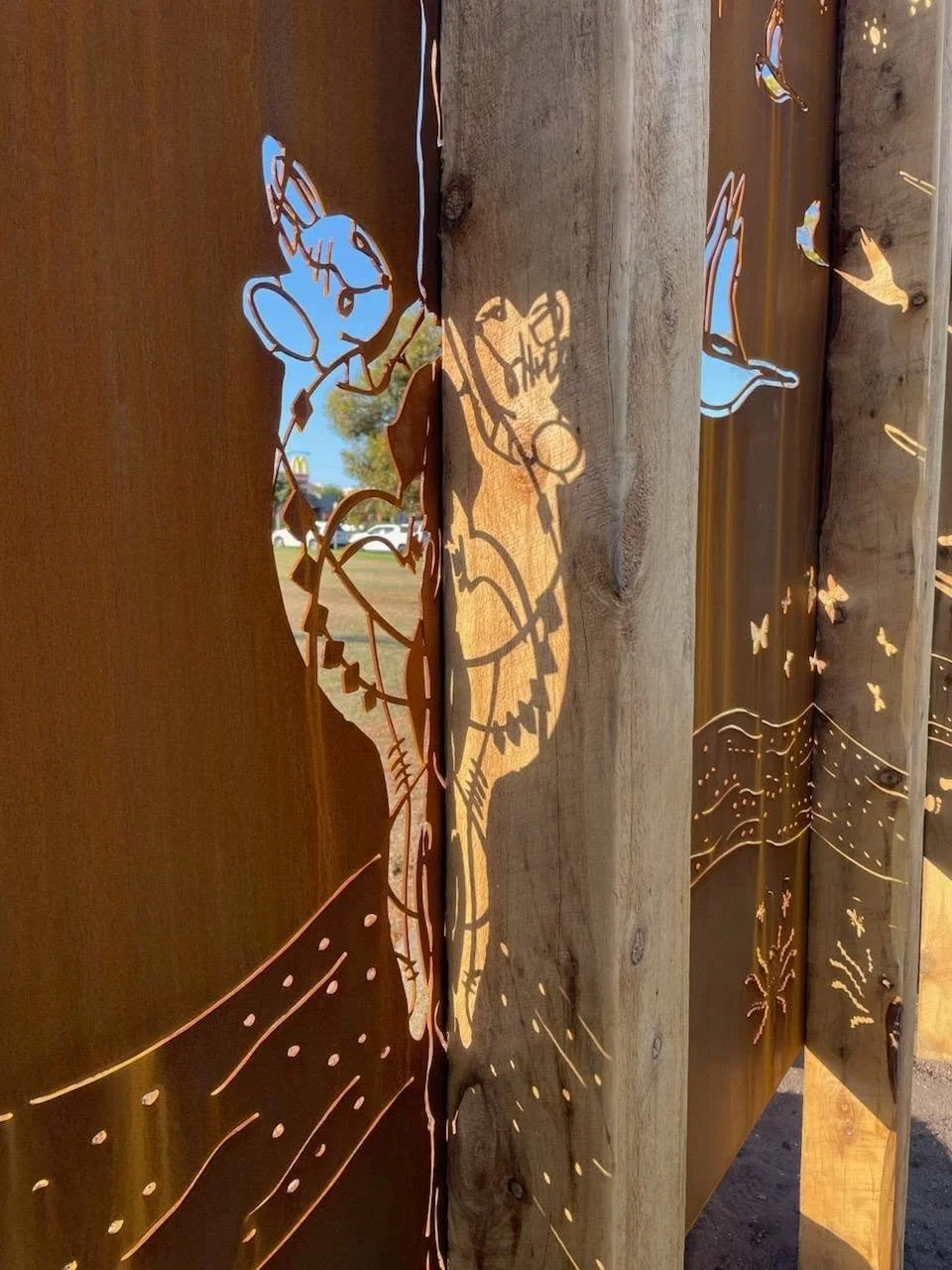
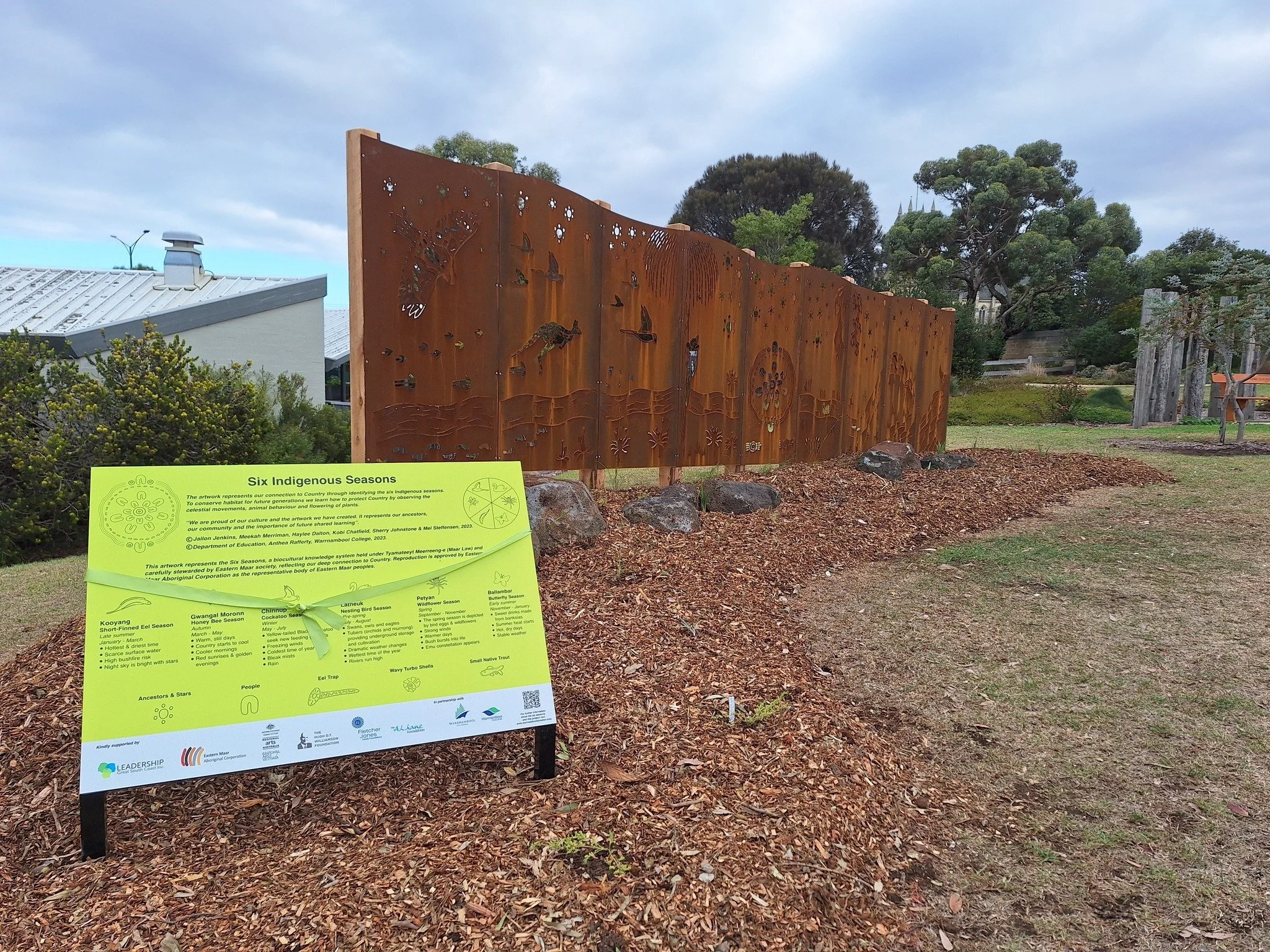
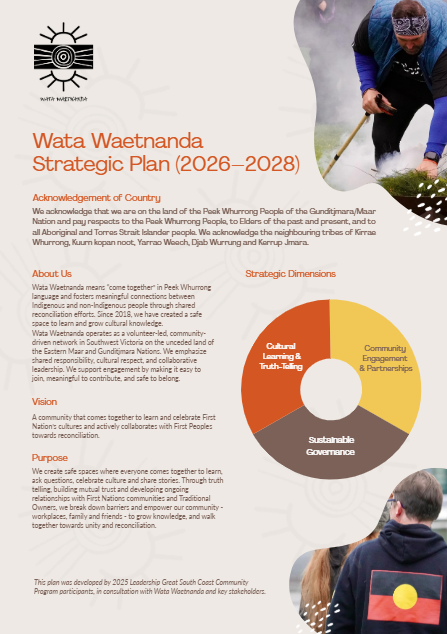
Beyond the program days itself, Leadership Great South Coast participants have partnered with First Nations communities on a number of impactful community projects. Initiatives such as the Ngatanwarr Mural, the Heywood Water Tower Mural, the Six Seasons Indigenous Art Project installation, and the development of a strategic plan for Wata Waetnanda have helped celebrate and share First Nations culture, stories and knowledge with the broader community.
These experiences encourage participants to reflect on the history of our region, explore the how colonisation has disrupted First Nations cultures, and better understand the strength, resistance and leadership that continues within First Nations communities today. Importantly, they also create space for genuine conversations, relationship-building and shared learning.
We are grateful for the partnerships, collaborations and guidance we have received from First Nations communities and organisations throughout the life of our programs. These relationships have helped shape meaningful learning experiences for participants and strengthened our understanding of what inclusive, community-centred leadership looks like.
This National Reconciliation Week, we encourage our community to consider what being “All In” might look like in their own lives, workplaces and communities. Whether it is taking the time to learn more about local First Nations history, supporting Aboriginal-led initiatives, building stronger relationships, or creating spaces where diverse voices are heard and valued, every action contributes to the broader journey of reconciliation.
At Leadership Great South Coast, we remain committed to creating leadership experiences that foster understanding, connection and positive impact across our region, and we acknowledge the vital role that reconciliation plays in building stronger communities for future generations.